TASHAS: Where Culture, Consistency and Excellence Become a Global Brand
A reflection on TASHAS as a South African global success story, highlighting how consistency in design, disciplined operational excellence, and deep investment in training and culture have allowed the brand to expand internationally without losing its identity. The post explores why attention to detail, internal training, and cultural integrity are the true foundations of sustainable franchising and customer loyalty.
Mimi Masala
1/9/20262 min read

TASHAS is a South African success story that deserves far more attention than it often gets.
Founded by Natasha and Savva Saridis, TASHAS is not just a restaurant brand — it is a masterclass in how culture, consistency and operational excellence can build a business that travels the world without losing its soul.
When I first heard about TASHAS, I had to experience it for myself. Since then, I have come to know the founders and had the privilege of watching their journey as the brand expanded internationally. What continues to amaze me is how TASHAS has grown globally without diluting who it is.
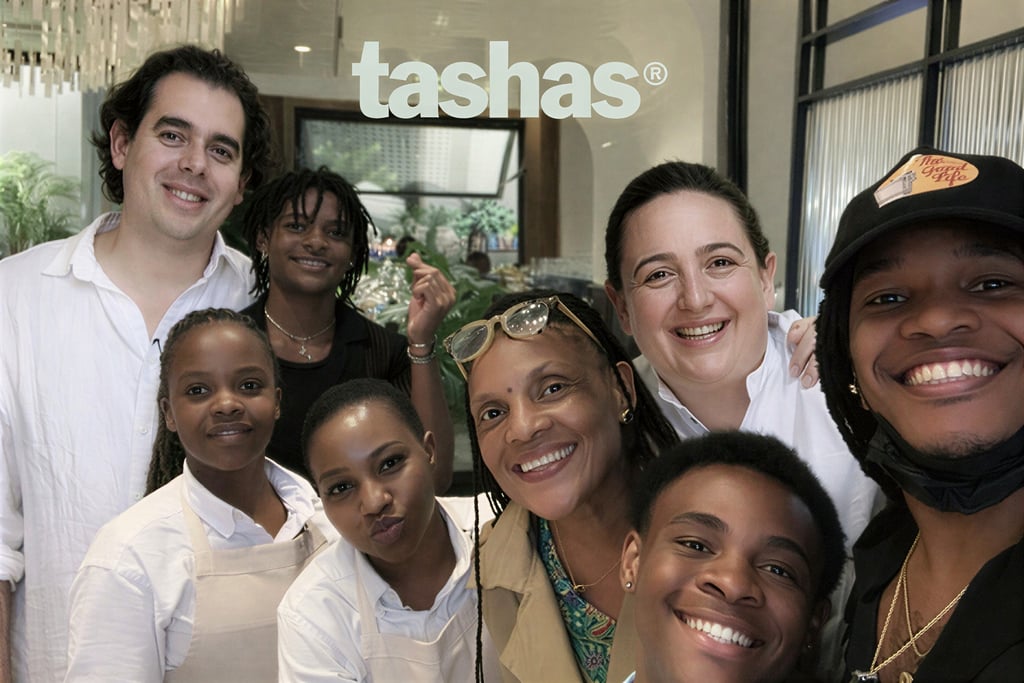
We recently took a photo inside TASHAS Dubai Marina, and the remarkable thing is this: if I didn’t tell you it was Dubai, you might easily think it was Johannesburg or Cape Town. The décor, the atmosphere, the energy — there is a deep sense of familiarity. Each restaurant may be themed, but the DNA of TASHAS remains unmistakably intact.
That is not accidental. That is design. That is discipline.
Operational Excellence Lives in the Details
One of the most powerful moments I ever witnessed at TASHAS was not dramatic. It was simple.
I once saw a manager gently but firmly fuss about the tip of a ketchup bottle not being wiped properly.
Many restaurants would overlook that.
TASHAS does not.
That single moment told me everything about the culture. When small things matter, big things are protected.
This commitment to excellence shows up everywhere — including in the food. My favourite order today tastes exactly the same as it did twenty years ago. That level of consistency across continents, chefs, teams, and decades is not luck. It is system, training, and values in action.
The Real Cost of Franchising Is Training
This is where many business owners get uncomfortable.
If you cannot tell me how much you spend on training, you are not training your people properly.
Training and development are not “nice-to-haves.” They are the foundation of operational excellence. Yet in many businesses, training is either rushed, outsourced, or treated as an afterthought.
The truth is: Operational training cannot be delegated to external service providers.
Why? Because they do not live your culture. They do not experience your customers. They do not understand the daily pressures your teams face.
When people are trained by those who truly know the business — who understand the toil, the pace, the standards — the learning is absorbed differently. It sticks. It becomes identity.
This is why so many potential franchisors hesitate to expand. They know — often instinctively — that they cannot yet replicate themselves at scale. And that hesitation is healthy.
The biggest mistake many franchisors make is franchising too soon, before their training systems, culture, and operational standards are strong enough to survive replication.
The same applies to corporate-owned multi-branch companies. Growth without cultural infrastructure leads to erosion.
Why Customers Become Loyal Friends
In every industry I have worked in, focused training has led to two things:
· Higher employee retention
· Greater customer delight
TASHAS is proof of this. I have yet to hear a negative comment about the brand. What TASHAS has built is not just a customer base — it has built a community. People return not because they have to, but because they want to. They feel known. They feel welcomed. They feel cared for.
That does not come from menus. It comes from people. And people are shaped by culture.
Final Thought
TASHAS reminds us of something profoundly important in business:
Culture is cultivated. It is not delegated.
You can outsource marketing. You can outsource logistics. You can outsource technology.
But you cannot outsource who you are. And when you get that right — as TASHAS has — your brand can travel the world without ever losing its heart.
Contact
Reach out for collaborations or questions
Phone
mimi@mimimasala.com
+27-82-777-5156
© 2025. All rights reserved.
Designed by Bougainvillea Studios